Dermal fillers and blood vessels: the rare risk to understand
The most serious filler complication is accidental injection into a blood vessel. What the US FDA says about blindness and skin loss, and the signs to act on.
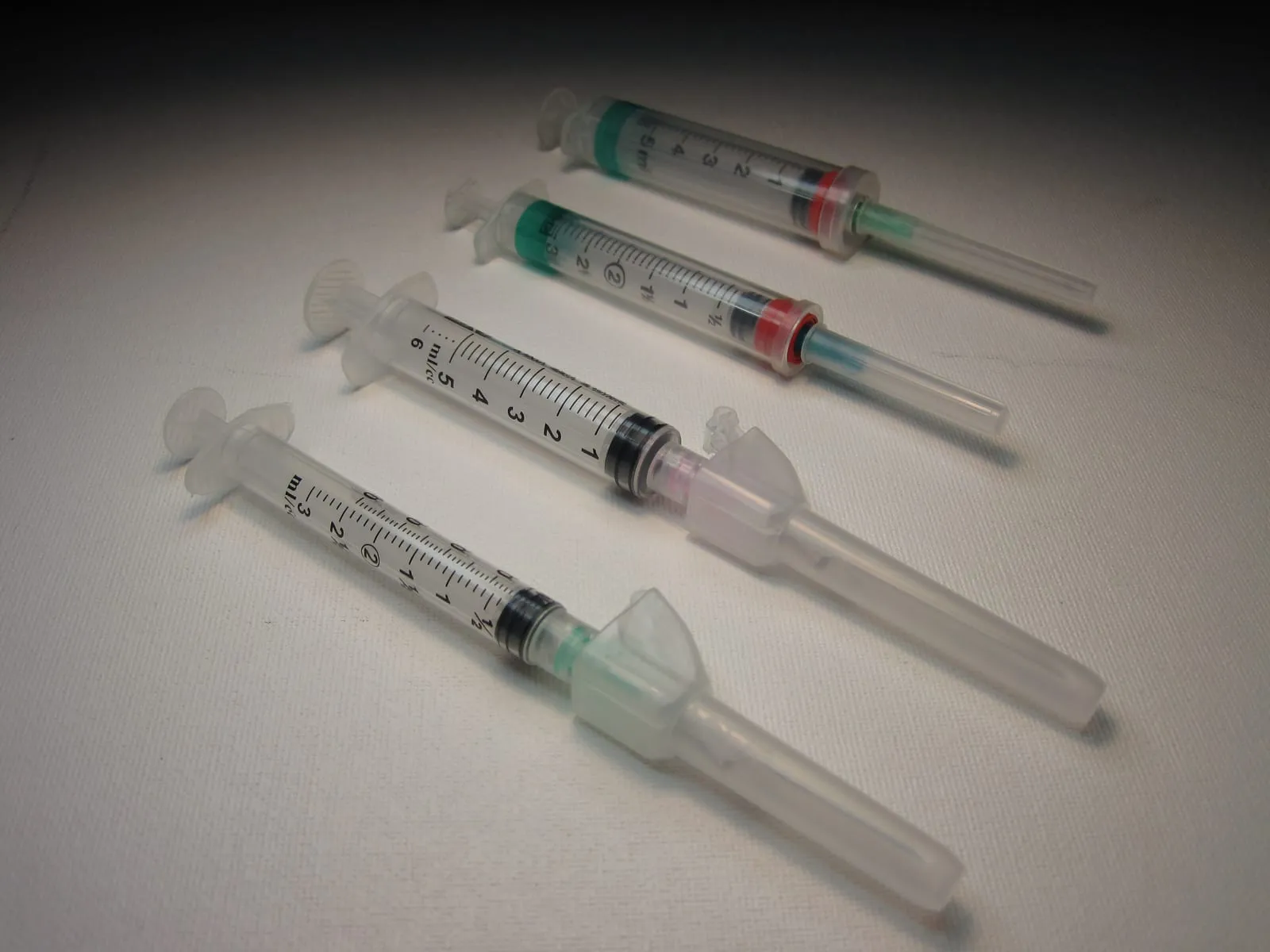

Filler is the treatment people fit into a lunch break. In Seoul it is sold from street-level clinics with price boards in the window, and visitors add it to a trip the way they might add a facial. It takes fifteen minutes and you walk out looking roughly the same, slightly improved.
Almost always, that is the whole story. This article is about the small remainder, because the worst thing that can happen with filler is not on most people’s list of worries, and it is the one complication where minutes count.
What is a dermal filler?
Fillers are gel-like substances injected under the skin to add volume or smooth a contour. Regulators treat them as medical devices. The US Food and Drug Administration has approved them for specific uses, among them correcting wrinkles and contour deficiencies such as acne scars, and restoring facial fat loss in people with HIV.
That word “specific” matters. Approval is granted product by product, for particular areas of the face and particular depths. The FDA is plain that the risks of unapproved uses, and of unapproved products, are not known.
What are the ordinary side effects?
The FDA lists the common ones as bruising, redness, swelling and pain. These are the expected consequences of putting a needle through skin and leaving something behind. They usually settle on their own.
The agency adds two cautions worth remembering. Any filler can cause temporary side effects, permanent ones, or both. And timing is unpredictable: in some cases side effects appear weeks, months or years after the injection.
What is the serious risk?
The FDA does not hedge about this. It describes unintentional injection into a blood vessel as the most concerning risk associated with dermal fillers.
The face is densely supplied with small arteries, and they do not follow exactly the same course in every person. If the tip of a needle or cannula is inside one when the plunger is pressed, the gel goes into the bloodstream. Two things can then happen.
The gel can plug the vessel where it is. Skin downstream loses its blood supply, and the FDA lists the result as necrosis, meaning tissue death.
Or the gel can be carried along the vessel. Arteries of the face connect with the arteries that supply the eye, and beyond that the brain. Filler pushed into the wrong vessel under pressure can end up blocking the blood supply to the retina. The FDA’s list of consequences of injury to the blood supply reads: necrosis, vision abnormalities including blindness, or stroke. The same list ends with death.
How often does it happen?
Rarely. The FDA’s 2015 safety communication, which drew wide press coverage, called these events rare but serious.
The agency gave reporters the figures behind that warning. Between March 2012 and March 2015 it received 216 adverse event reports related to soft tissue fillers. In 57 of them, injection into a blood vessel was identified as the cause. Of those 57, 41 involved vision problems, including 32 cases of vision loss or blindness, and four involved stroke. The remaining 16 involved tissue damage, blocked blood supply or whitening of the skin.
Those numbers need careful reading. They are reports sent to one regulator in one country, not a count of every case, and they sit against a very large number of treatments given in the same period. The chance for any single injection is very small. What the figures show is the character of the complication: when filler does enter a vessel, the eye is frequently where the damage lands.
The FDA responded by asking manufacturers to strengthen the warnings on their labelling. It also noted that although a vessel can be entered anywhere on the face, its review of reports identified certain injection locations where blockage was reported more often. Ask your injector which areas they regard as higher risk, and how they approach them.
What are the warning signs?
The FDA’s communication set these out for doctors and patients alike. During or shortly after an injection:
- any change in vision
- signs of a stroke, such as sudden weakness, a drooping face or difficulty speaking
- skin turning white or blotchy near the injection site
- pain that is unusual or out of proportion
The instruction to the person injecting is to stop immediately if any of these appear. The instruction to patients is to seek medical attention immediately if they appear afterwards. Not the next morning, and not after messaging the clinic to ask whether it is normal.
The agency also said that practitioners should know these signs and have a plan for treating patients if it happens. For fillers made of hyaluronic acid, an enzyme called hyaluronidase can break the gel down, which is one reason the choice of product and the clinic’s preparedness both matter.
What about needle-free devices?
Pen-like devices that force filler through the skin using pressure, without a needle, are sold online and offered in some beauty settings. The FDA’s position is unambiguous: needle-free devices are not approved for injecting dermal fillers, their safety and effectiveness are not known, and the agency has issued a safety communication about serious adverse events with them.
What should you ask before a filler treatment in Korea?
- Who will inject me, and are they a doctor?
- Which product is it, who makes it, and can I see the sealed box?
- Is this product approved for the area you are treating?
- What will you do if I report a change in vision or the skin turns pale?
- Do you keep hyaluronidase on site?
- Where is the nearest emergency department with an eye service?
The last two questions sound alarmist in a bright waiting room. A good clinic will answer them without blinking, because it has thought about them already. A clinic that laughs them off has told you something useful.
Two cautions apply especially to travellers. If you are having filler shortly before a flight, remember that a problem which shows itself hours later will do so in the air or in another country. And a treatment bought on price alone, from a window poster, gives you no information about who holds the syringe. You can check a clinic’s registered name and type in our clinic directory before you walk in.
Common questions
- Are fillers safer than surgery?
- They avoid anaesthesia and incisions, and most side effects are minor and temporary. But the FDA lists tissue death, blindness and stroke among the possible consequences of injecting into a vessel, so 'non-surgical' does not mean risk-free.
- Can filler side effects appear long after treatment?
- Yes. The FDA says side effects may in some cases appear weeks, months or years after injection.
- Are needle-free filler pens acceptable?
- The FDA has not approved needle-free devices for injecting dermal fillers and says their safety and effectiveness are not known. It has issued a safety communication about serious adverse events with them.
Sources (5)
- US Food and Drug Administration, Dermal Fillers (Soft Tissue Fillers), checked 13 November 2026
- US Food and Drug Administration, Dermal Fillers: approved uses, unapproved uses and risks, checked 13 November 2026
- FDAnews, Manufacturers to Add Risks on Labels for Facial Fillers, checked 13 November 2026
- Pharmacy Times, FDA Warns of Serious Facial Damage from Dermal Fillers, checked 13 November 2026
- CBS News, FDA warns of risk from cosmetic facial fillers, checked 13 November 2026